Permian Red Clay Underfoot
Most of Stillwater sits on red clay that expands when wet and pulls away from pipes and foundations when it dries out. That cycle, more than old plumbing alone, is behind a lot of the slab leaks we get called for.
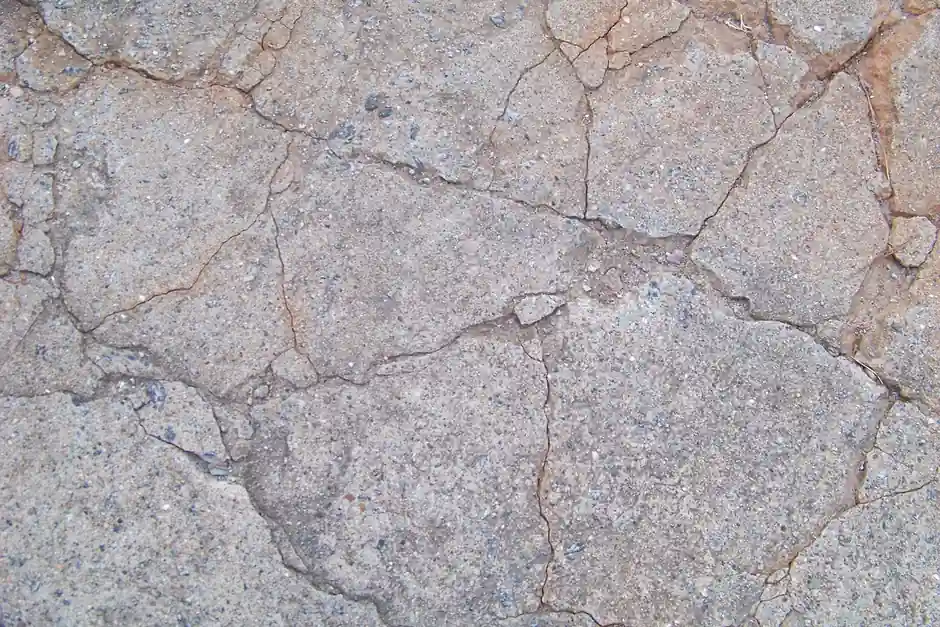
Most of Stillwater sits on Permian red clay that swells when it rains and pulls tight when it dries out. That cycle is behind a lot of the slab leaks and foundation cracks we get called for, the kind that wouldn't show up the same way in sandier soil. Add water pumped in from Kaw Lake and treated to about 8.5 grains of hardness, and pipes here scale and wear on a different timeline than the national average. We test for both before we guess at anything else.
Tell us what's happening and where in Stillwater you're located. We'll confirm a visit window shortly.
Call Now (405) 872-2665 → No spam. No obligation. Just practical help.Upfront optionsNo work before you approve it
Respectful serviceClean floors, clear communication
Real guaranteesRepairs backed in writing
Local techniciansLicensed local professionals
We're a locally owned leak detection team working across Payne County, licensed through the Oklahoma Construction Industries Board. Most of what we see traces back to how this city is built: the soil, the water, and a housing stock that ranges from pre-1970s brick near downtown to newer builds on the west side.
That mix means two houses on the same block can fail in completely different ways. A slab leak in a 1960s home near downtown usually isn't the same problem as a scaled fitting in a newer build off Country Club Road, so we don't run one script for every call.
Four things shape almost every leak call we get in this city. We test for all four as a default, not an upsell.
Most of Stillwater sits on red clay that expands when wet and pulls away from pipes and foundations when it dries out. That cycle, more than old plumbing alone, is behind a lot of the slab leaks we get called for.
The city treats water pulled from Kaw Lake to roughly 8.5 grains of hardness. Fittings and fixtures here build up scale faster than they would on naturally soft water, which shortens their working life.
Stillwater drops below freezing on about 12 days a year on average, so pipes and outdoor fixtures often aren't insulated for the nights that do. A short cold snap does more damage here than the same snap would somewhere built to expect it.
Oklahoma State enrolls more than 27,000 students in a city of under 50,000 people, so a large share of the housing stock turns over every August. Rental plumbing here takes a different kind of wear than an owner-occupied home across town.
Sixteen services, one root cause we're usually chasing: Stillwater's clay soil, hard water, or a line that was never built for either. Here's what we handle most.
Installing and servicing trusted equipment
This is what we think a leak call should look like, from the first phone call to the final report.
The person who answers your call is usually the one who shows up and writes the report, not a dispatcher reading from a script and a different crew each time.
Most calls inside Stillwater city limits get a same-day appointment. Rural Payne County addresses may run a day behind depending on the route.
You get a number after the leak is located and before any drywall or slab work begins, not after the fact.
You tell us what you're seeing: a wet spot, a sound, a water bill that jumped. We ask enough questions on the phone to know what equipment to bring.
We run a pressure test first to confirm a leak exists, then use acoustic equipment or thermal imaging to narrow down where it is, depending on the situation.
You get the location in plain terms, with photos where they help, and repair options ranked by cost. Nothing starts until you say go.
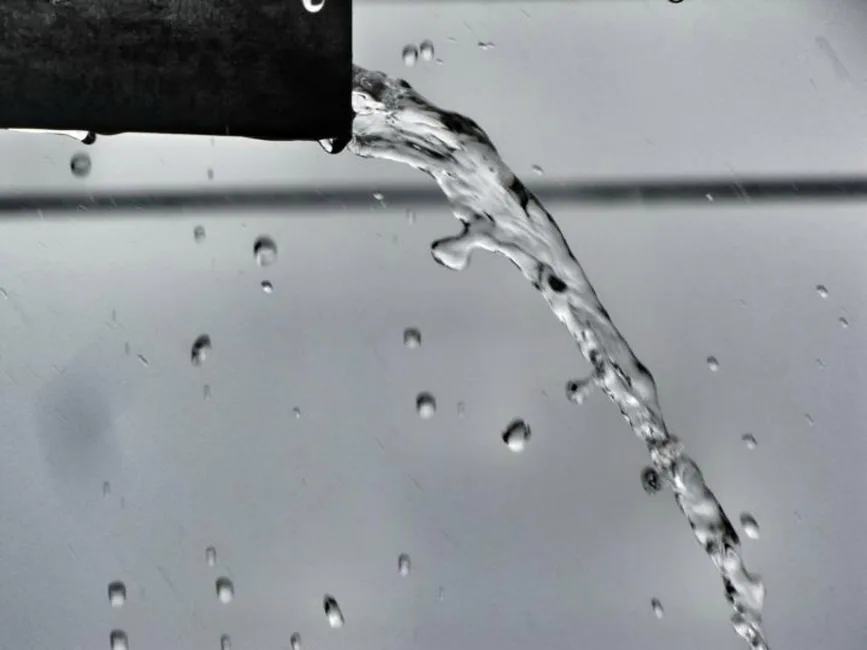
You tell us what you're seeing: a wet spot, a sound, a water bill that jumped. We ask enough questions on the phone to know what equipment to bring.
These are the calls we get most, in roughly the order we get them.
Ask a pro →Usually a slab leak or a line break between the meter and the house, not a fixture you can see. We isolate the line with a pressure test before cutting into anything.
Repainting doesn't fix the source. We trace it with thermal imaging first, so we know where to look instead of opening drywall to search for it.
Between Stillwater's hard water and clay soil, slow leaks behind tile or under a slab are common enough that we check both before assuming it's just condensation.
“I had a slab leak that was causing serious damage. Leak Radar found it quickly and fixed the issue. Highly recommend them to anyone in Stillwater!”
M. JohnsonHomeowner, Southern Woods
✓ Verified“Their team was professional and efficient. They detected a leak in my pool that I couldn't find myself. Great service!”
A. PatelProperty Manager, College Gardens
✓ Verified“I was impressed with their quick response time. They came out the same day I called about a leak under my sink.”
D. SmithHomeowner, Downtown Stillwater
✓ Verified
Shut off the main if you can reach it, then call. We dispatch emergency calls the same day, day or night.
Fourteen neighborhoods, five ZIP codes, one city. If you're inside Stillwater city limits, we already cover your street.
Not sure you're in range? Call with your ZIP code and we'll check while you're on the line.
Here are some common questions about our leak detection services in Stillwater.
(405) 872-2665 →In Stillwater, that's almost always a slab leak or a break in the line between your meter and the house, both invisible from inside. Shut off every fixture and watch the meter for two minutes. If it's still moving, call for a pressure test before assuming the bill itself is wrong.
Most jobs run $150 to $450, depending on whether we're tracing a fixture leak or isolating a slab line under Stillwater's clay soil, which takes longer to test correctly. You get the number after the pressure test and before any repair work starts.
Most of the city sits on Permian red clay that swells and shrinks with rainfall. That movement stresses the copper and cast iron lines running under older slabs more than it would in sandier soil, which is why slab leaks turn up here more than homeowners expect.
It's actually more common because of the mild winters. Stillwater only sees about 12 days a year below freezing on average, so a lot of exposed pipe and hose bibs never get insulated the way they would in a colder climate. One hard freeze can catch a whole neighborhood off guard.
A general plumber can fix a leak once it's found. Leak detection is the step before that: locating a hidden leak with acoustic equipment, thermal imaging, or a pressure test so nobody has to cut open a wall to go looking for it.
Yes. Our technicians are licensed through the Oklahoma Construction Industries Board, the state agency that issues journeyman and contractor plumbing licenses.
Tell us what you're seeing and where. We'll tell you honestly whether it's worth a visit before we schedule one.
Contact Us Today →Call anytime, or email if it's not urgent. We're already covering your part of Stillwater.