Bucket Test Baseline
Confirms whether water loss is actually a leak before any further testing begins, saving time and cost if it's just evaporation.
Evaporation and a real leak look similar at first: the water level drops. Stillwater's hot, dry summer stretches make evaporation the default suspect, which is exactly why a bucket test and pressure test matter before anyone assumes the worst.
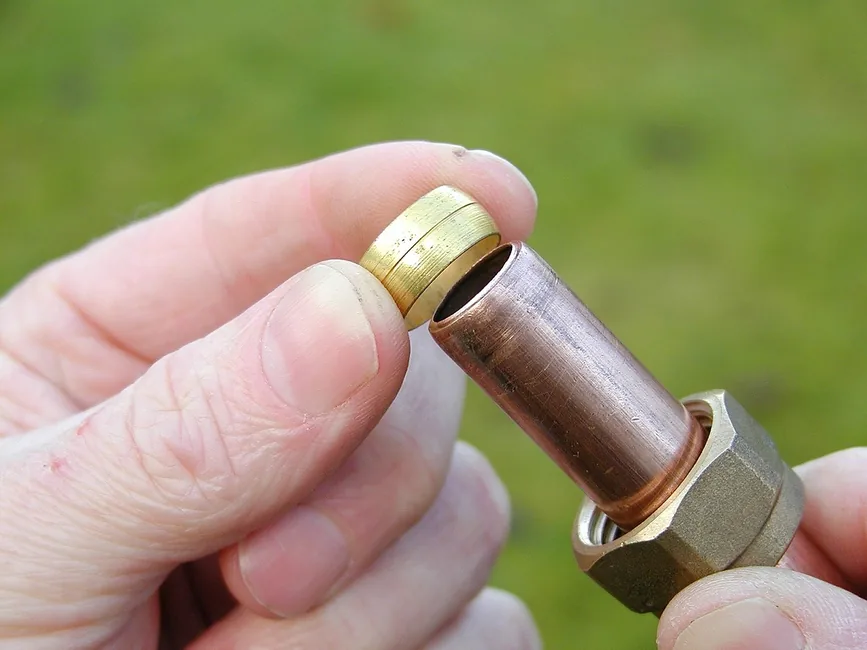
A standard bucket test compares water lost from the pool against water lost from a bucket sitting on the pool steps, both exposed to the same sun and wind. If the pool loses noticeably more than the bucket, that's a leak, not just a hot week. From there, we test the shell, the plumbing lines, and the equipment pad separately, since each fails differently.
Stillwater's hard water, around 8.5 grains per gallon, also means scale buildup can mask small leaks around fittings and light niches, so those get checked closely rather than assumed clean.
We start with the cheapest test and only go further if it confirms a real leak.
Confirms whether water loss is actually a leak before any further testing begins, saving time and cost if it's just evaporation.
Each pool circuit, skimmer, main drain, returns, gets isolated and pressure tested individually.
Colored dye released near suspected leak points shows movement toward a crack or gap that's otherwise invisible underwater.
Pumps, filters, and heaters get checked too, since equipment leaks are sometimes mistaken for pool leaks.
Tell us what you're seeing: how fast the water level drops, and whether it's happening with the pump on or off.
We set a baseline comparing pool water loss to a control bucket over 24 hours.
If the bucket test confirms a leak, we isolate and pressure test each plumbing circuit separately.
Suspected fittings, niches, and shell cracks get tested with dye to confirm the exact leak point.
We show you exactly where the leak is and what repair options exist, whether that's a fitting, a liner patch, or a plumbing line repair.
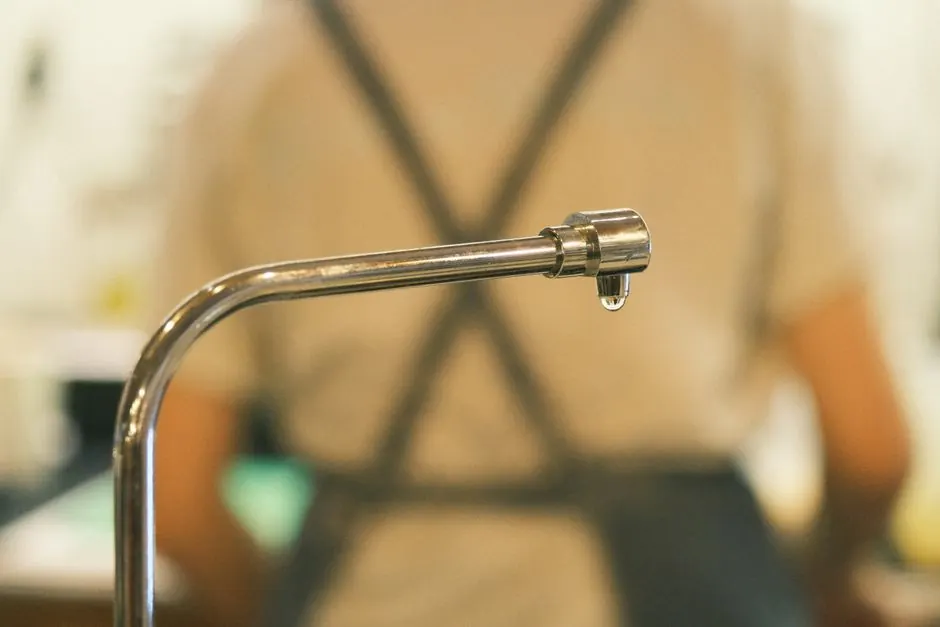
Tell us what you're seeing: how fast the water level drops, and whether it's happening with the pump on or off.
Simple but reliable baseline for separating evaporation from an actual leak.
Isolates and tests individual pool plumbing circuits under pressure.
Reveals water movement toward cracks, gaps, or fitting failures that aren't visible otherwise.
For gunite and vinyl pools, lets us inspect the shell and liner directly without draining the pool.

A homeowner near the Stillwater Country Club was convinced their pool had a leak after weeks of topping it off.
After: The bucket test showed water loss matching the control bucket almost exactly. Summer evaporation, not a leak. No repair needed.
Book this service →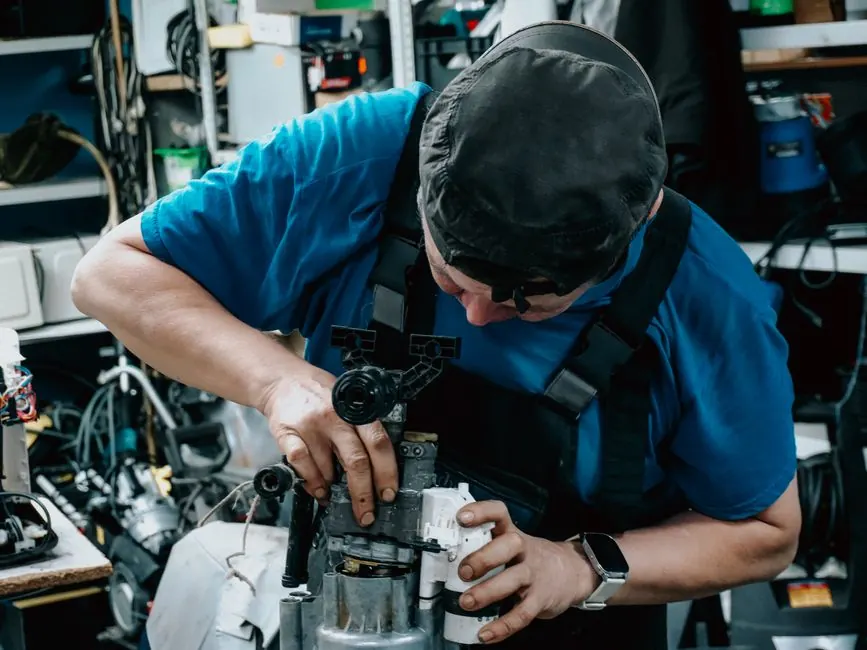
A homeowner near 12th Ave reported wet ground next to the equipment pad.
After: Pressure testing isolated the leak to the skimmer return line. Confirmed with dye and handed off for a targeted line repair.
Book this service →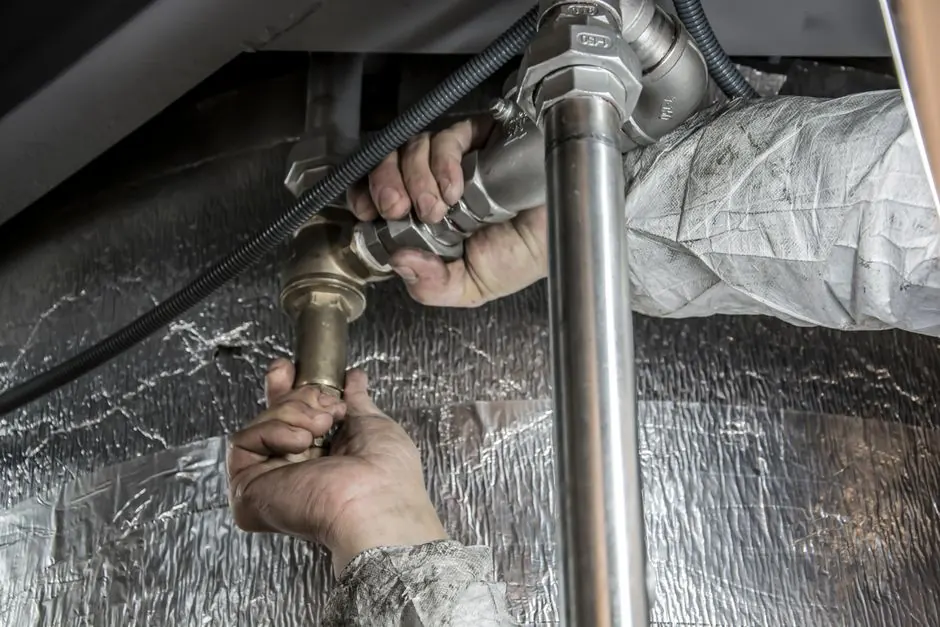
A pool near Westwood Park was losing about an inch of water a week with no visible wet spot in the yard.
After: Dye testing found a small gap around the light niche fitting, a common wear point that had gone unnoticed for a season.
Book this service →Most pool water loss traces back to one of three things.
Ask a pro →Stillwater summers are hot and dry enough that normal evaporation alone can drop a pool an inch or two a week.
Hard water scale can partially seal a small gap, making it harder to spot without dye testing.
These often show up as wet ground near the pad rather than a visible drop in pool level.
“I noticed my pool was losing water fast and called Leak Radar. Their pool leak detection service was thorough and efficient. They found the leak quickly, and I was impressed with their professionalism!”
Jenna S.Homeowner, Westwood
✓ Verified“We had a significant issue with our commercial pool. Leak Radar's team provided excellent pool leak detection services and helped us avoid further damage. Highly recommend their expertise!”
Tom R.Business Owner, Downtown Stillwater
✓ Verified“Leak Radar's pool leak detection service saved us from a potential disaster. They were prompt, professional, and very knowledgeable about the issues we faced. I can't thank them enough!”
Lisa M.Resident, College Gardens
✓ VerifiedIn Stillwater's summer heat, up to a quarter inch to half an inch per day can be normal evaporation, more during especially hot or windy stretches.
A bucket filled to the pool's water line sits on the steps, exposed to the same sun and wind. After 24 hours, if the pool has dropped noticeably more than the bucket, that's a leak.
Most pool leak detection visits run $200 to $500 depending on whether dye testing or equipment pad inspection is needed.
Often yes, especially for fitting and niche leaks found through dye testing. Plumbing line repairs sometimes require a partial drain depending on location.
A bucket test settles the question in a day. Call to get started.
Schedule Now (405) 872-2665 →Reach out to us for any leak detection needs. We respond quickly and are available for consultations during business hours.