Pressure Test First
Before we bring in any equipment, we isolate your plumbing system and test line pressure. This confirms there's a real leak and rules out water heater or fixture issues that mimic one.
A house built before 1970 near downtown Stillwater has different pipes than a house built in Westwood in 2005, and they fail in different ways. We test for both: galvanized steel that's rusted from the inside out, and newer copper or PEX lines scaled up by Stillwater's hard water. You get a pressure test first, then a location, not a guess.
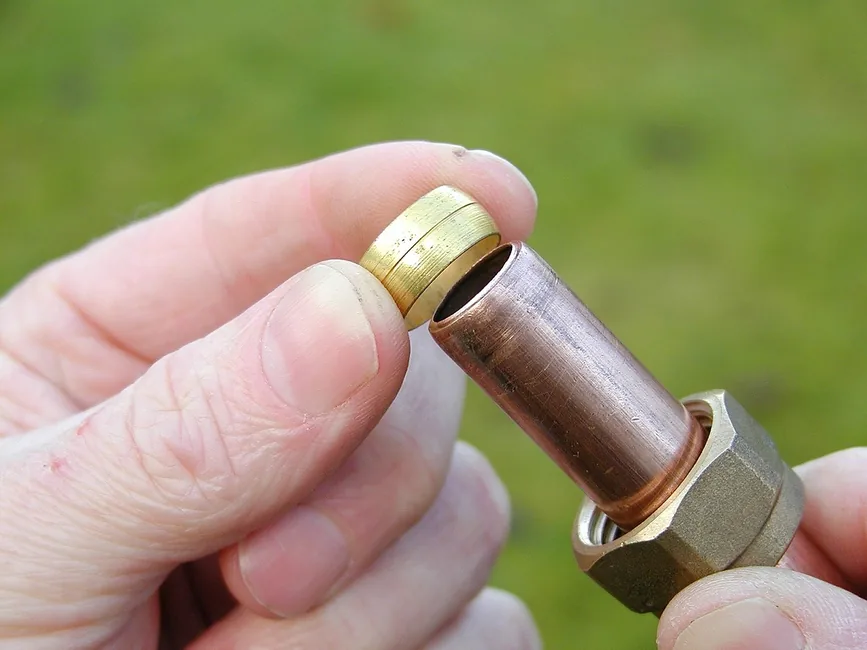
Stillwater's housing stock spans more than a century, from Craftsman bungalows near the Historic District to subdivisions off Country Club Road built in the last twenty years. Galvanized pipe installed before 1970 has an expected lifespan of 40 to 50 years, which means a lot of it is already past due. Homes built between 1978 and 1995 sometimes carry polybutylene piping, a material that fails at the fittings, and Oklahoma's water chemistry speeds that failure along.
We start by asking how old the plumbing actually is, not just the house. A remodel can hide the difference. From there we run a pressure test to confirm there's a leak worth chasing, then use acoustic listening equipment or infrared thermal imaging to narrow the location before anyone touches drywall or flooring.
Every visit starts the same way and ends with a decision you can actually act on.
Before we bring in any equipment, we isolate your plumbing system and test line pressure. This confirms there's a real leak and rules out water heater or fixture issues that mimic one.
A 1960s ranch and a 2010 build get inspected differently. We factor in your home's construction era and known material risks before choosing a detection method.
Ground microphones pick up the sound of water escaping under pressure. Infrared cameras confirm temperature differences behind walls and under slabs without cutting anything open.
You get photos, pressure readings, and a plain description of where the leak is and what it will take to fix it. No repair pressure on the spot.
Tell us what you're seeing, whether that's a spike in your water bill, a damp spot on the carpet, or a hissing sound behind a wall. We'll ask a few questions and get someone out, often same-day.
We isolate the system and check for pressure drop over time. This step alone rules out a surprising number of false alarms.
If pressure confirms a leak, we use ground microphones and listening discs to narrow the search area along the suspected line.
An infrared camera checks for temperature anomalies in the narrowed area, giving us a second data point before we mark a spot.
We walk you through exactly what we found, show you the readings, and explain your repair options. You decide what happens next.
Tell us what you're seeing, whether that's a spike in your water bill, a damp spot on the carpet, or a hissing sound behind a wall. We'll ask a few questions and get someone out, often same-day.
Amplifies the sound of pressurized water escaping underground, even through several feet of Stillwater clay.
Reads surface temperature differences caused by water behind walls or under flooring.
Confirms whether your system is holding pressure the way it should, the first and fastest diagnostic step.
Traces the physical path of supply lines so we know exactly where to focus, especially useful on older homes with undocumented repairs.
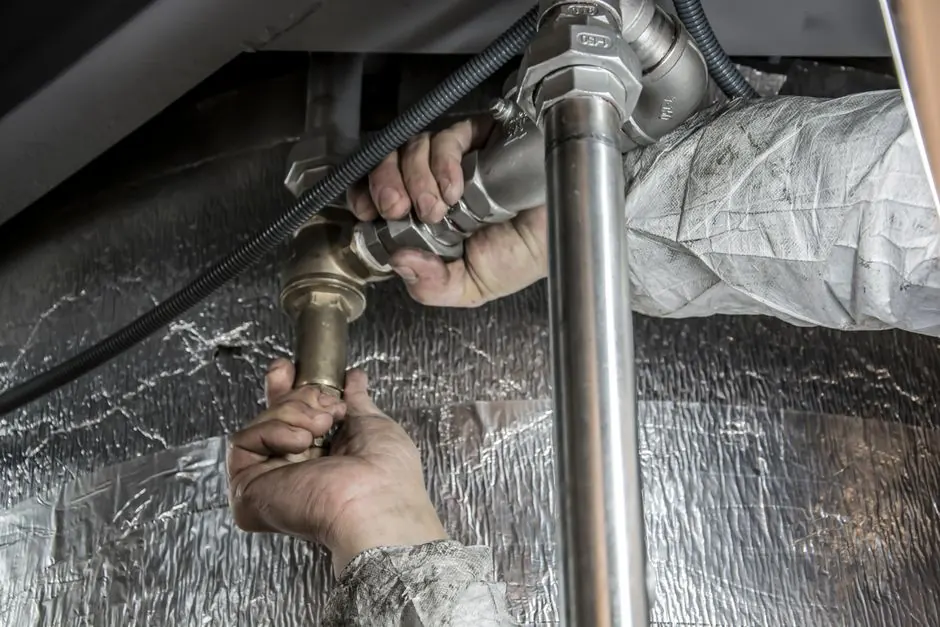
A homeowner near Westwood Park noticed a warm patch on the living room floor and a water bill that had crept up over two months.
After: Thermal imaging located the leak under the slab in under an hour. The homeowner got a repair quote before we packed up the van.
Book this service →
A 1962-built home near Sangre Ridge Elementary had rust-colored water and falling pressure at the kitchen sink.
After: Ground microphone testing found a pinhole leak in the galvanized line under the crawlspace, consistent with the pipe's age.
Book this service →
A homeowner near 19th and Sangre Rd was ready to tear out a bathroom floor after a musty smell showed up.
After: A pressure test showed no drop at all. The smell traced back to a clogged HVAC condensate line, not a leak, and the homeowner saved a demo job.
Book this service →Some of these show up as a bill. Others show up as a smell or a sound.
Ask a pro →Common in homes built before 1970, especially near downtown and the Historic District where original plumbing is still in place.
Stillwater's clay soil shifts with rainfall, which stresses pipe joints under the foundation over time.
Homes built between 1978 and 1995 sometimes have this piping, and it tends to fail at the connectors rather than along the pipe itself.
“I had a persistent leak in my basement that I couldn't find. Leak Radar located it quickly using their thermal imaging camera. Highly recommend their services!”
John D.Homeowner, College Gardens
✓ Verified“The team at Leak Radar was professional and thorough. They identified several leaks in my home that I was unaware of. Their service saved me from costly repairs.”
Sarah T.Homeowner, Southern Woods
✓ Verified“Leak Radar provided excellent service. They were prompt and explained everything clearly. I feel much more secure knowing my home is leak-free.”
Mike R.Homeowner, West College
✓ VerifiedA plumber fixes what's visible. Leak detection finds what isn't, using pressure testing, acoustic equipment, and thermal imaging to locate a leak before any wall or floor gets opened.
Most residential visits run $150 to $400 depending on how much tracing the leak requires. You'll get a number before we start, not after.
Usually not to find the leak. Acoustic and thermal methods locate it without cutting. Repair afterward may require limited access, which we'll explain before doing any of it.
Yes. Homes built before 1970 often have galvanized pipe near the end of its lifespan, and homes from 1978 to 1995 sometimes have polybutylene. We factor that into where we look first.
Rising water bill, a damp spot that won't dry, or a sound you can't place. Call and we'll walk you through what happens next.
Schedule Now (405) 872-2665 →Reach out to us for any leak detection needs. We respond quickly and are available for consultations during business hours.