Exterior Water Assessment
We check grading, downspout placement, and drainage patterns around your foundation, since these cause a large share of the moisture problems we see.
Stillwater sits on Permian red clay, soil that swells when it's wet and shrinks when it dries. That movement is the single biggest reason local foundations crack, and a leak, whether it's a plumbing line or bad drainage saturating the soil around your footings, speeds it up. We find where water is getting to your foundation before it does more damage.
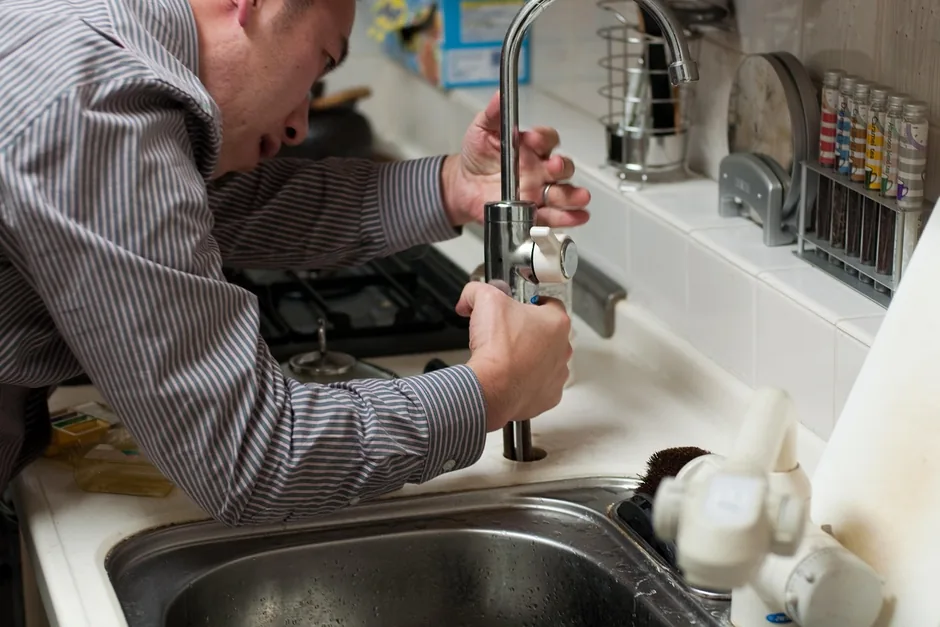
A slab leak is a pressurized water line leaking under your concrete floor. A foundation leak is water reaching your foundation walls or footings from somewhere else, often a grading problem, a failed gutter downspout, or groundwater pooling against the perimeter after rain. Both are serious. They're diagnosed and fixed differently.
We check both plumbing sources and exterior water management as part of a foundation inspection, since clay soil makes it easy for one to look like the other. Cracks that open and close seasonally usually point to soil movement rather than an active leak, and we'll tell you which one we're looking at.
We check the whole picture, not just the crack you called about.
We check grading, downspout placement, and drainage patterns around your foundation, since these cause a large share of the moisture problems we see.
Moisture meters at baseboards and foundation walls show where water is actually getting in, not just where it's visible.
Supply and drain lines near the foundation perimeter get tested to rule out a leak feeding the moisture from inside.
We look at whether cracking follows a seasonal pattern consistent with clay soil movement or points to an active water source.
Tell us what you're seeing: a damp basement wall, a new crack, or water intrusion after heavy rain.
We walk the perimeter, checking grading, downspouts, and any standing water patterns near the foundation.
Moisture meter readings at foundation walls and baseboards identify where water is entering.
Nearby supply and drain lines get tested to rule out or confirm a plumbing source.
We explain whether you're dealing with a drainage issue, a plumbing leak, or both, and what fixing each one involves.
Tell us what you're seeing: a damp basement wall, a new crack, or water intrusion after heavy rain.
Reads moisture levels in foundation walls and baseboards to pinpoint water entry points.
Tests nearby plumbing lines to rule in or out a pressurized leak source.
Confirms whether the slope around your foundation is directing water away from the house or toward it.
Identifies temperature differences from moisture behind foundation walls.
A homeowner near Downtown noticed a damp basement wall every time it rained heavily.
After: A disconnected downspout was dumping water directly against the foundation. Reconnecting it and regrading a low spot resolved the moisture without any plumbing repair.
Book this service →
A homeowner near Sangre Ridge Elementary assumed persistent foundation dampness was a drainage issue.
After: A pressure test found a slow leak in a supply line running near the foundation, the actual source of the moisture the homeowner had been trying to grade away.
Book this service →
A homeowner near 19th and Sangre Rd was concerned about a new foundation crack after a dry summer.
After: Moisture readings and crack pattern review confirmed normal clay soil shrinkage, not an active leak. We explained what to watch for if it worsens.
Book this service →Water reaches a foundation one of three ways. We find out which one is happening at your house.
Ask a pro →One of the most common and most fixable causes of foundation moisture we find in Stillwater.
A slow leak near the foundation perimeter can look identical to a drainage problem until it's tested.
Not every crack means a leak. We help homeowners tell the difference so they're not chasing a plumbing problem that isn't there.
“I had a significant leak in my foundation, and Leak Radar was quick to respond. They identified the issue and provided a clear plan for repair. Highly recommend!”
Sarah J.Homeowner, Westwood
✓ Verified“Their team was professional and thorough. They detected a hidden leak that could have caused major damage. Their service saved us thousands.”
Mike T.Property Manager, Downtown Stillwater
✓ Verified“I was impressed with their quick response time and the technology they used. They found and fixed my foundation leak in no time!”
Emily R.Homeowner, College Gardens
✓ VerifiedA slab leak is a pressurized water line leaking under your concrete floor. A foundation leak involves water reaching your foundation from an exterior source like drainage or grading, or from a plumbing line near the perimeter.
No. Stillwater's clay soil expands and contracts seasonally, which causes cracking on its own. We check whether a crack follows that seasonal pattern or points to an active water source.
Most foundation inspections run $200 to $550 depending on whether plumbing testing is included alongside the exterior and moisture assessment.
Yes. Water pooling against a foundation repeatedly softens clay soil unevenly, which is one of the more common causes of foundation movement we see in Stillwater.
Drainage, plumbing, or clay soil movement, we'll tell you which one you're dealing with. Call to schedule.
Schedule Your Inspection (405) 872-2665 →Reach out to us for any leak detection needs. We respond quickly and are available for consultations during business hours.